

TMS Therapy in Central Indiana.
A Non-Invasive, FDA-Cleared Option for Treatment-Resistant Depression
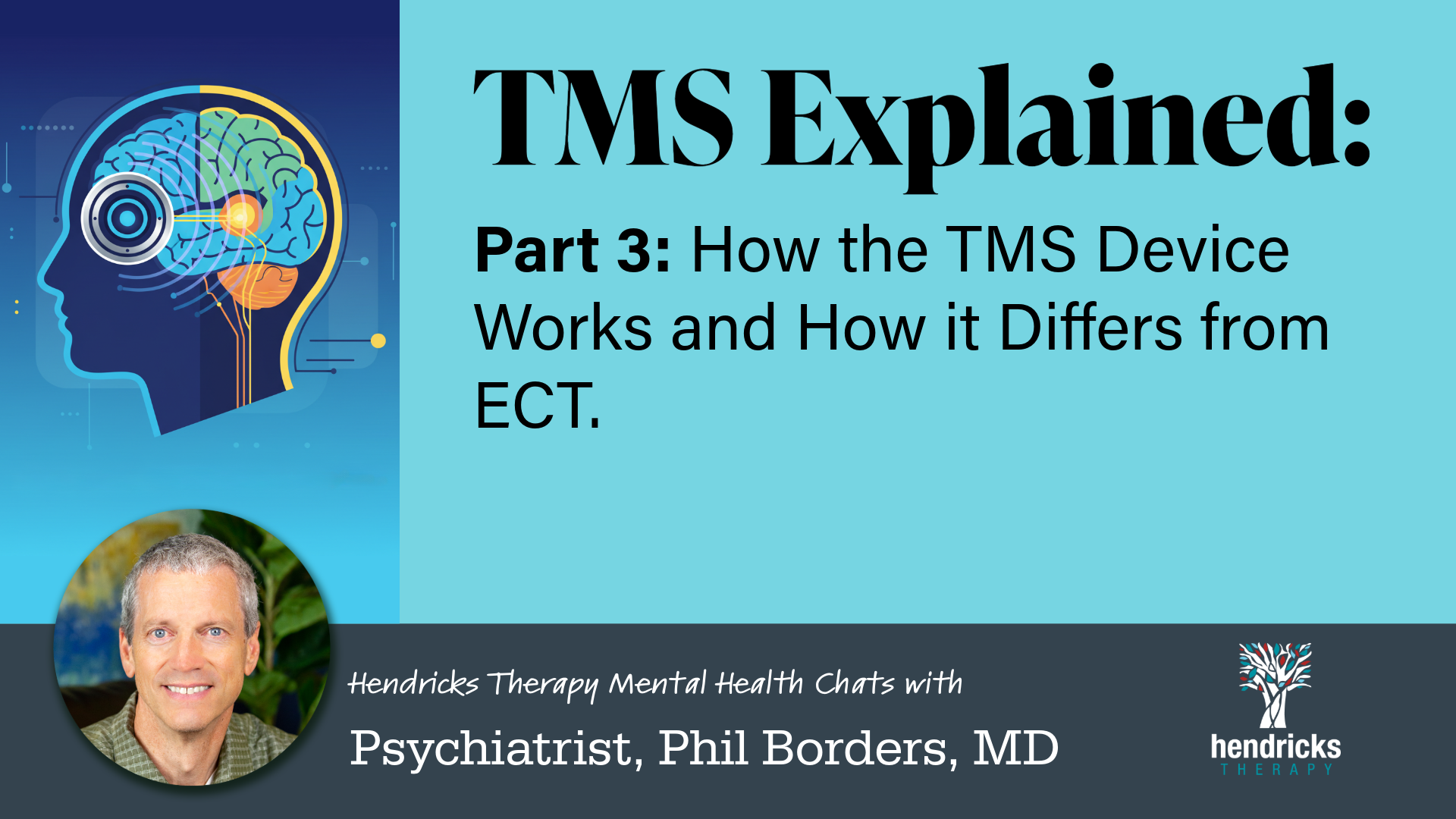
Learn more about Transcranial Magnetic Stimulation in our New TMS Video Series by Psychiatrist Phil Borders, MD.
📞 CALL/TEXT 317-718-8436
Why TMS May Help
Transcranial Magnetic Stimulation (TMS) is an FDA-cleared, non-invasive procedure that may be appropriate for adults whose symptoms have not improved with traditional treatments. TMS uses focused magnetic pulses to stimulate targeted areas of the brain involved in mood regulation — without medication or surgery. TMS therapy is performed in the office with short session times and typically minimal side effects.
Drug-free Depression Care
Covered by Most Insurance Plans (MDD)
No systemic side effects
In-office, 19-minute sessions
Benefits Many People Seek
Many adults experience ongoing symptoms even after trying medication or talk therapy. While individual results vary, people explore TMS therapy because it offers:
An alternative when traditional treatments have not provided relief
A non-pharmacologic approach to mood care
No systemic side effects commonly seen with medications
In-office treatment and scheduling flexibility
Evidence-based, FDA-cleared neuromodulation
A structured course of therapy personalized by our clinical team
Our team will take the time to explain the treatment, answer questions, and help individuals understand if TMS may be a fit for their wellness goals. Every person’s health and experience are individual, so results and outcomes cannot be guaranteed.

How TMS Works
Depression is an electrochemical dysfunction that causes reduced brain activity. TMS boosts brain activity.
TMS utilizes MRI-strength magnetic fields to deliver magnetic pulses that stimulate nerve circuits in the brain involved in mood regulation and the treatment of depression. It activates regions of the brain that exhibit reduced activity during depressive episodes. TMS is a non-invasive, office-based procedure cleared by the U.S. Food and Drug Administration (FDA) in 2008 for treating Major Depressive Disorder. This process does not involve anesthesia, medication, or surgical implants. Most insurance carriers, including Medicare cover TMS. Typically, TMS is considered when other depression treatments have not been effective.

PET Scan showing the activity of a depressed brain vs a non-depressed brain.

With the Apollo TMS Transcranial Magnetic Stimulation Patients Experienced…

Call/Text 317-718-8436 today to schedule a TMS Consultation.
Flexible and Affordable TMS Therapy with Neuroplasticity Support
Transcranial Magnetic Stimulation (TMS) is an excellent treatment for depression, but we understand that not everyone can commit to the standard schedule of five sessions per week for six weeks, followed by a tapering period. Additionally, some patients face financial barriers or lack health insurance. Research indicates that reducing the frequency of sessions to three times per week can yield results comparable to the conventional schedule. While once or twice-weekly treatments are less effective, they can still provide meaningful benefits.
To make this transformative therapy more accessible, we offer each individual TMS treatment at a significantly reduced cost, less than one-third of the typical rates found at other centers. Patients who choose this option will also participate in our Neuroplasticity Therapy, which focuses on replacing negative thought patterns and behaviors with positive, life-enhancing ones. This holistic approach supports your journey to lasting mental wellness while accommodating your schedule and budget.
Could TMS Be The Solution For You?
Call/Text 317-718-8436 today to schedule a TMS consultation.

19-minute Treatment Sessions
Typically, patients receive a 19-minute treatment session per day for six weeks, followed by a three-week taper period, resulting in a total of 36 treatment sessions. Unlike medications that can take months to stabilize mood, many patients experience noticeable improvements within a few weeks of starting TMS. After completing the full course of TMS therapy, most patients enjoy long-lasting symptom relief without medication.

81% Response Rate
In controlled clinical studies of TMS, 81% of patients with major depression who have tried and failed to receive benefits from medications experienced a meaningful response.
52% Remission Rate
Patients experienced complete symptom relief after the full TMS therapy.

Scientifically proven and FDA-cleared for treatment-resistant depression.

Covered by most insurance plans.

Highly effective drug-free treatment for patients with MDD who have tried multiple antidepressants with no relief.

Effective, Non-invasive, No anesthesia or sedation required, with little or no side effects. Resume normal activities after treatment.
TMS treatment is ideal for most patients with treatment-resistant depression. TMS is not recommended for individuals who are pregnant, have a history of seizures, or have any metal objects in their heads. Patients with pacemakers should first consult their cardiologist.